
-95x95.png "Overdenture Locator (12)")



-229x228.png)

-229x228.png)


-229x228.png)


-229x228.png)


 0
0


Overdenture Abutments
DMi Overdenture Abutments are precision-manufactured prosthetic components designed to provide retention, stability, and support for removable implant-supported overdentures.
Available in a variety of attachment designs, connection types, platform sizes, and gingival heights, DMi Overdenture solutions provide clinicians and dental laboratories with versatile options for different anatomical and restorative requirements.
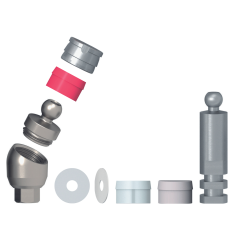
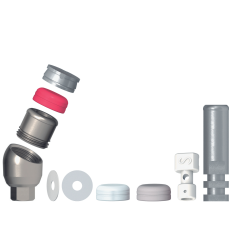
DMi Overdenture components include Locator-type attachments, Ball Attachments, retention caps, housings, impression components, analogs, and other compatible restorative accessories. These components are designed to simplify clinical and laboratory workflows while providing a secure and functional connection between the dental implants and removable prosthesis.
Manufactured from high-quality bio-compatible materials and produced under strict quality standards, DMi Overdenture Attachments are engineered for accurate fit, reliable retention, and efficient clinical handling.
Key Features
- Designed for removable implant-supported overdentures
- Provides retention, stability, and support for the prosthesis
- Available in multiple attachment designs and connection types
- Different gingival heights and platform options available
- Locator-type and Ball Attachment solutions
- Retention caps and housings available for specific systems
- Precision-manufactured for accurate fit and reliable connection
- Designed for efficient clinical and laboratory workflows
- Replaceable retention components available for applicable systems
- Compatible with designated DMi implant systems and restorative components
Applications
Depending on the specific attachment system, DMi Overdenture Abutments may be used to retain and stabilize removable implant-supported full or partial overdentures.
The appropriate attachment type, platform, gingival height, and retention component should be selected according to implant position, soft-tissue height, prosthetic design, available restorative space, and individual clinical requirements.
Always verify compatibility between the abutment, implant connection, and corresponding restorative components, and follow the applicable Instructions for Use.