Sinus Lift Before Dental Implants
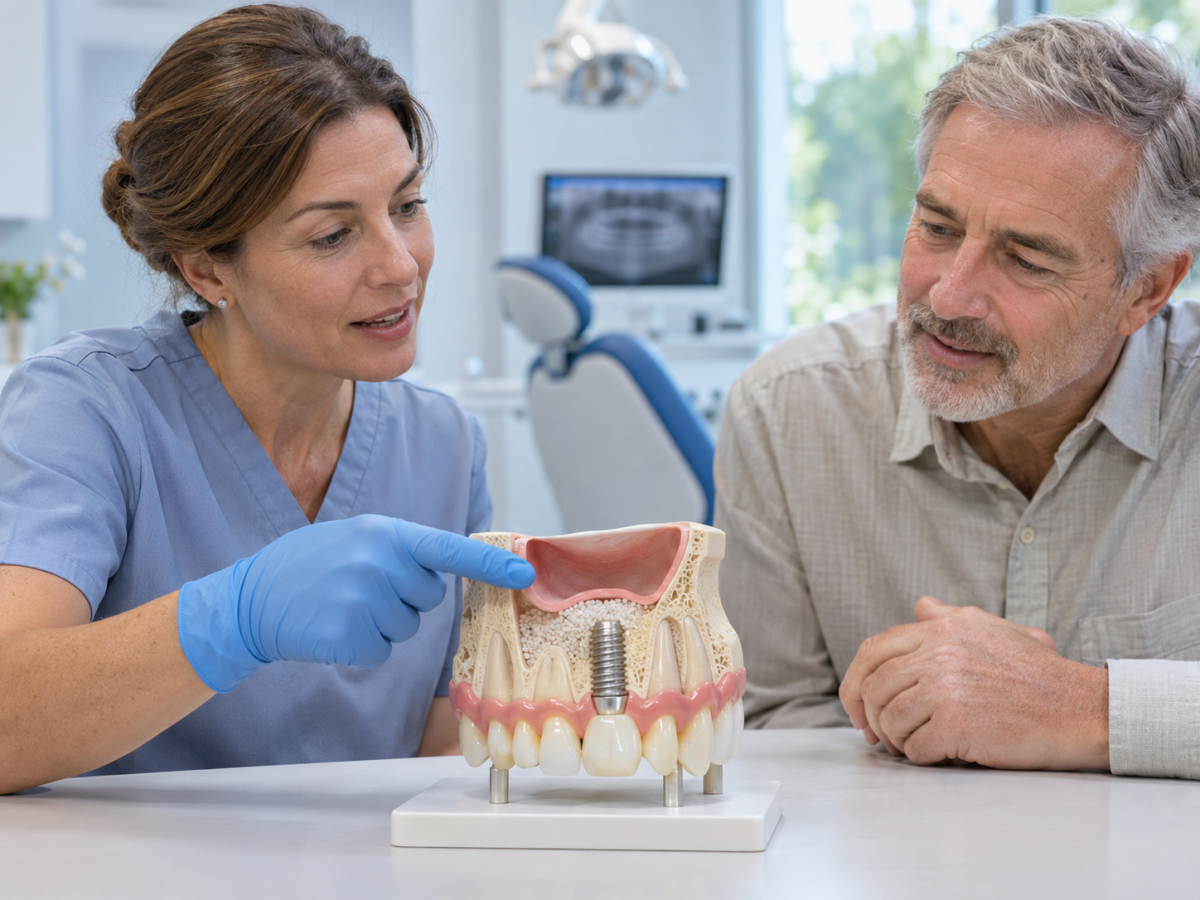
A sinus lift, also called sinus augmentation, is a surgical procedure used to increase the available bone beneath the maxillary sinus in the upper back jaw. It may be recommended when there is insufficient bone height to support the planned dental implants.
The procedure gently raises the sinus membrane to create space for additional bone to develop. Depending on the individual case, it may be performed before implant placement or during the same appointment.
Why Might a Sinus Lift Be Needed?
The maxillary sinuses are air-filled spaces above the upper premolar and molar teeth. When teeth are missing, the remaining bone beneath the sinus may be insufficient for implant placement. Periodontal disease and tooth loss can contribute to this problem.
A sinus lift may help create an appropriate foundation for implants in this area. It is a procedure for the upper back jaw, rather than the lower jaw.
What Is the Difference Between Closed and Open Sinus Lifting?
The two main approaches differ in how the surgeon accesses the sinus membrane.
Closed Crestal Sinus Lift
Also called an internal or transcrestal approach, this technique accesses the sinus floor through the site prepared for the implant. The membrane is gently elevated from below. Bone graft material may be introduced, depending on the technique and treatment plan.
Open Sinus Lift
Also called an external or lateral-window approach, this technique accesses the sinus through a small opening on the cheek side of the upper jaw. The membrane is elevated, and graft material is placed beneath it.
The choice depends on the existing bone and the amount of augmentation required.
Can Dental Implants Be Placed During the Same Procedure?
Sometimes. When sufficient existing bone is available, implants may be placed at the same time as sinus augmentation.
In other cases, the grafted area needs to heal before implants can be inserted. Your surgeon will explain whether a combined or staged approach is appropriate.
What Materials Are Used?
Bone graft materials may come from the patient’s own bone, processed donor sources, animal-derived sources, or synthetic materials.
Your surgeon should explain which material is planned and discuss any preferences or concerns you have about its origin.
What Should I Expect During Recovery?
Some discomfort, swelling, and bruising can occur. Possible complications include a tear in the sinus membrane, bleeding, and infection. Your surgeon will discuss these risks before treatment.
Follow the specific aftercare instructions provided by your dental team. These may include:
- Avoiding nose blowing for the period specified by your surgeon.
- Sneezing with your mouth open rather than pinching your nose.
- Avoiding forceful spitting and drinking through straws.
- Limiting activities that increase pressure in the sinus.
- Taking prescribed medication and cleaning your mouth as instructed.
How Long Does Healing Take?
Bone development takes several months. The overall treatment schedule depends on the procedure, healing, and whether implants are placed simultaneously or later.
Feeling comfortable after surgery does not mean that the bone is ready to support the final restoration. Your clinician will assess healing before proceeding.
Explore Related DMi Clinical Cases
Visit our Clinical Cases section to explore documented treatments involving sinus lifting, bone augmentation, and DMi dental implants.
You can also explore our educational material on the DMI Closed Crestal Sinus Lift Technique and the DMI Sinus Lifting Kit, Item #423553.
To learn more about DMi products, contact DMi Technology LLC. For an individual treatment recommendation, consult your treating dentist or oral surgeon.
11 november (16:29)
Views: 3