Posterior Maxillary Bone Augmentation - The DMI Closed Crestal Sinus Lift Technique
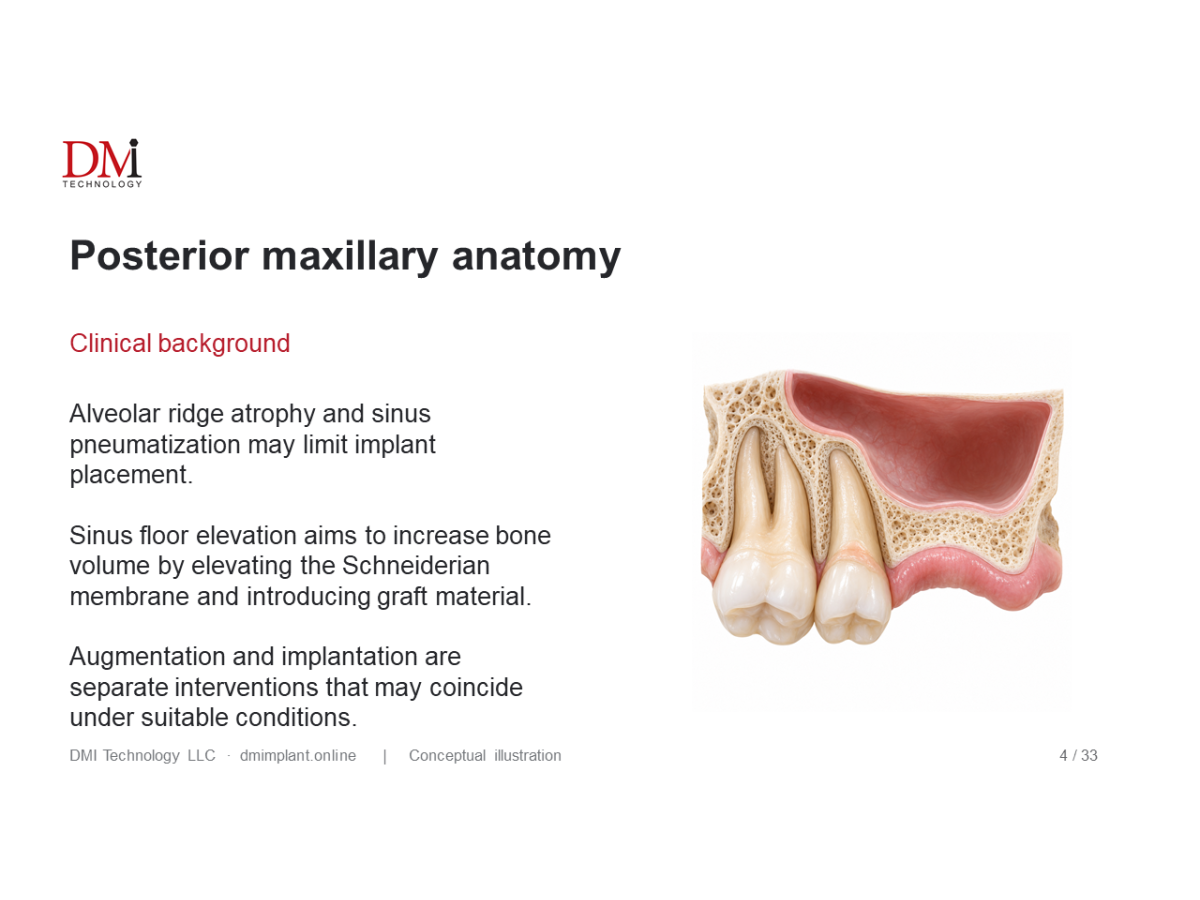
Limited bone availability in the posterior maxilla presents an important challenge when planning dental implant treatment. This presentation introduces the authors’ approach to closed crestal sinus floor elevation using the DMI instrument system, supported by CBCT images from a clinical case.
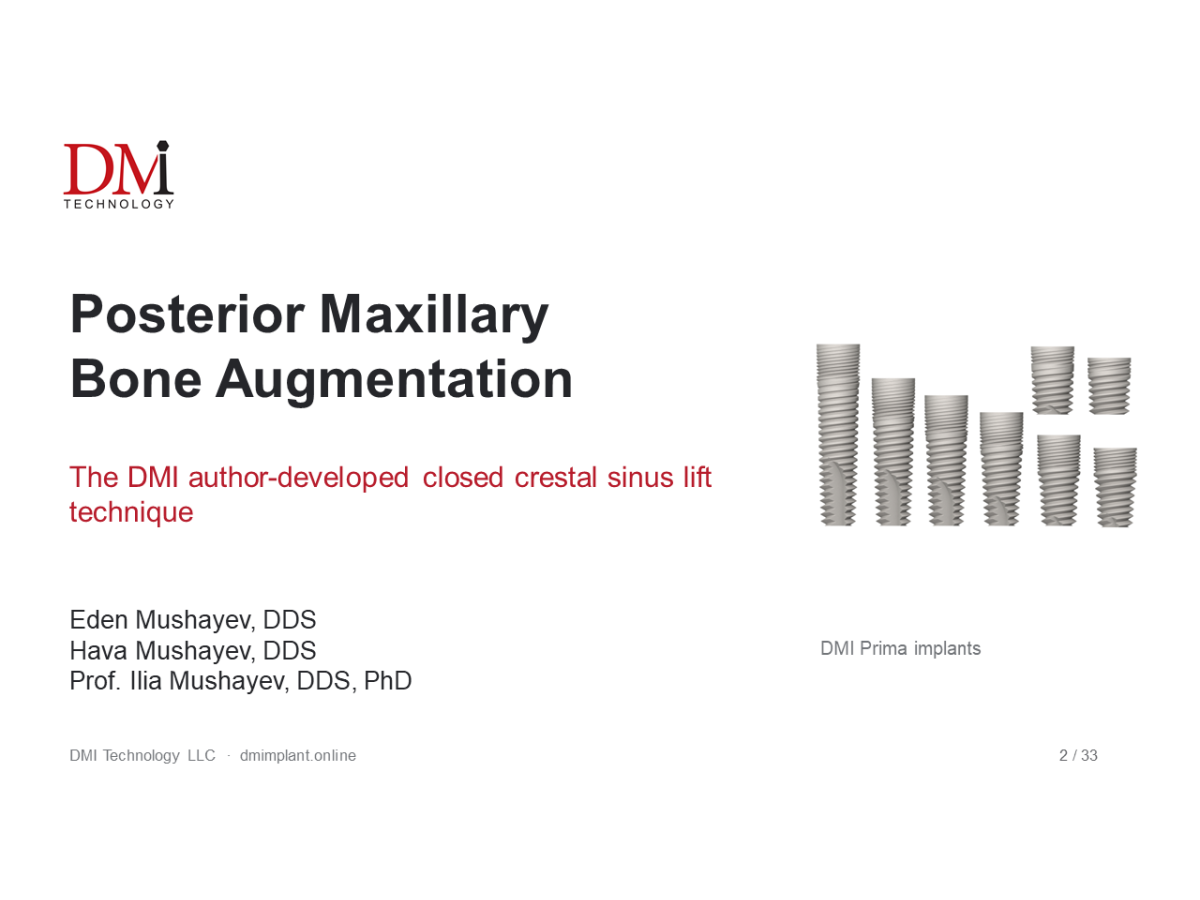
Developed by Eden Mushayev, DDS; Hava Mushayev, DDS; and Prof. Ilia Mushayev, DDS, PhD, the presentation brings together the instrument design, treatment planning considerations, and surgical pathways described in their technical article.
A Dedicated Instrument System
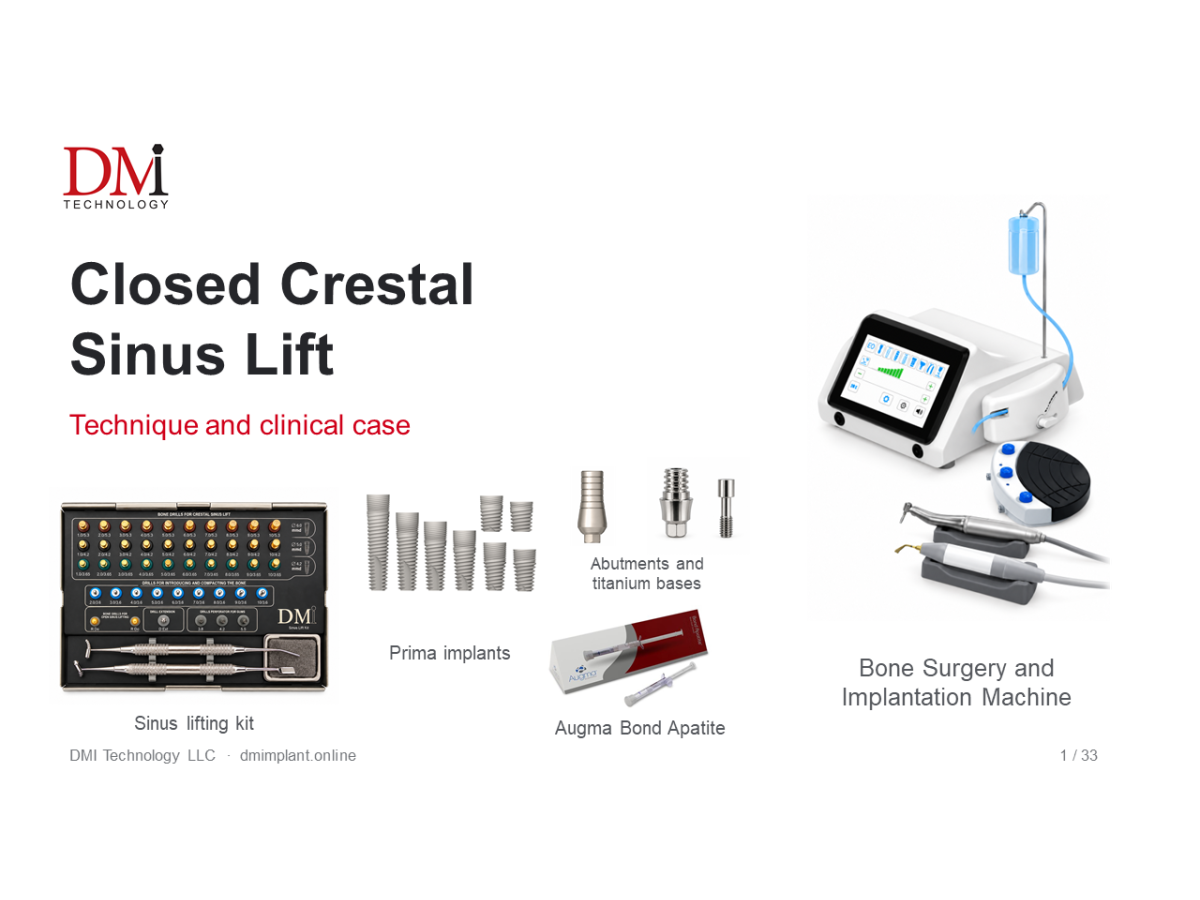
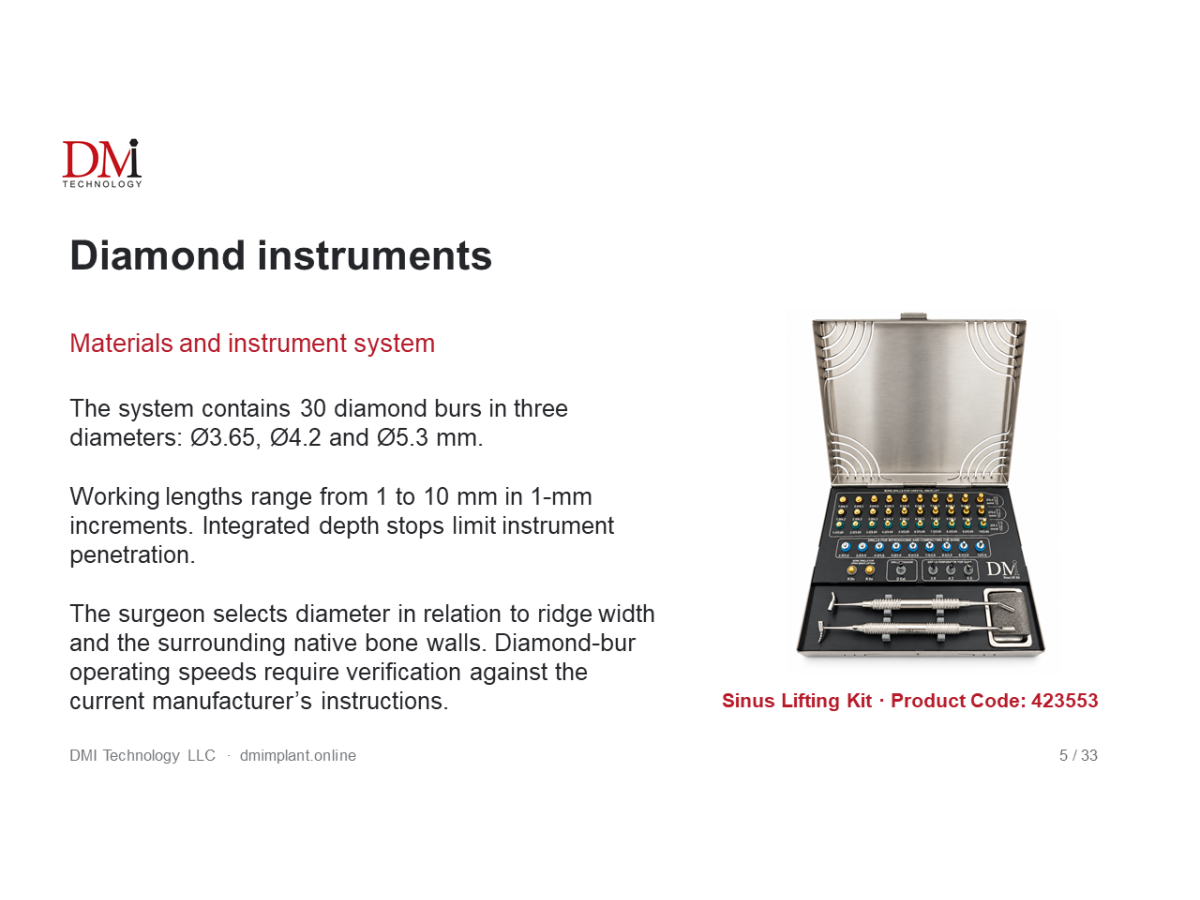
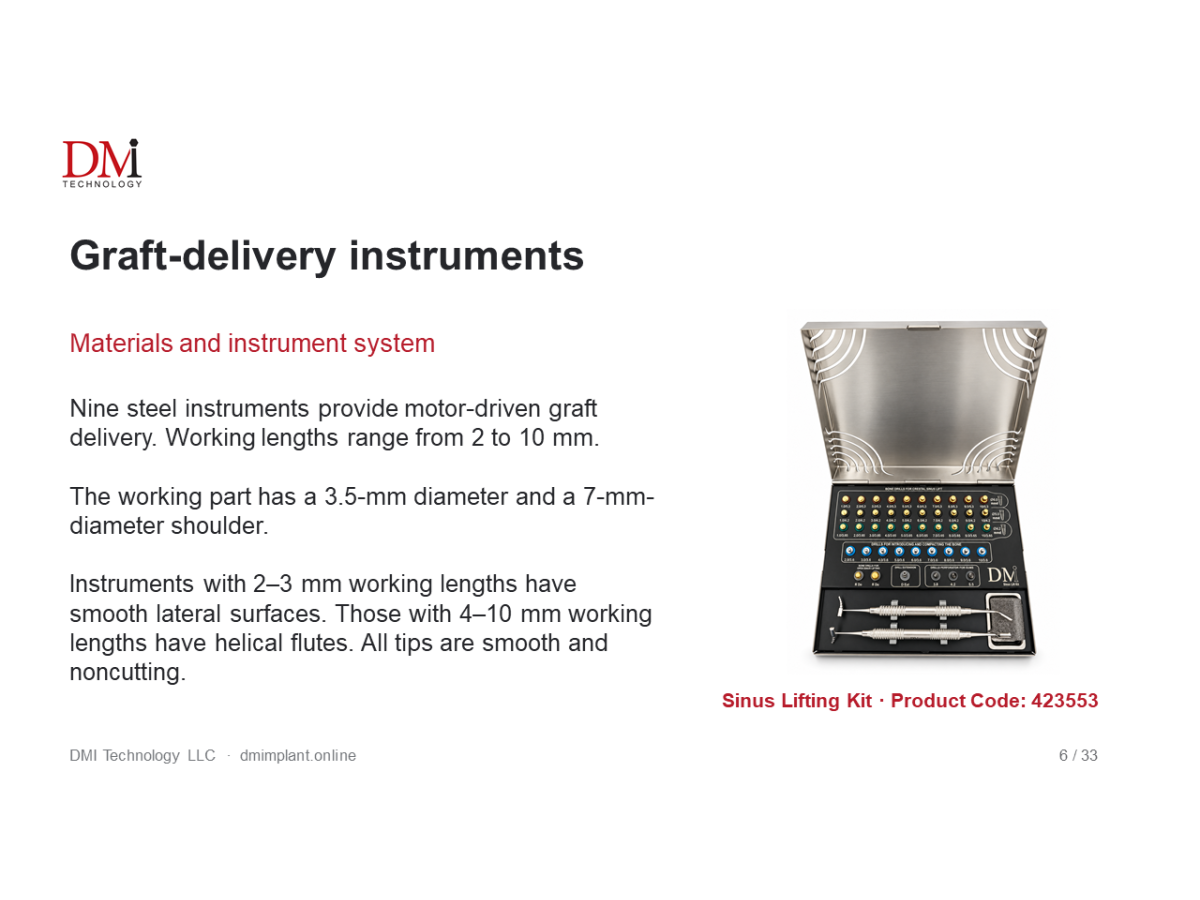
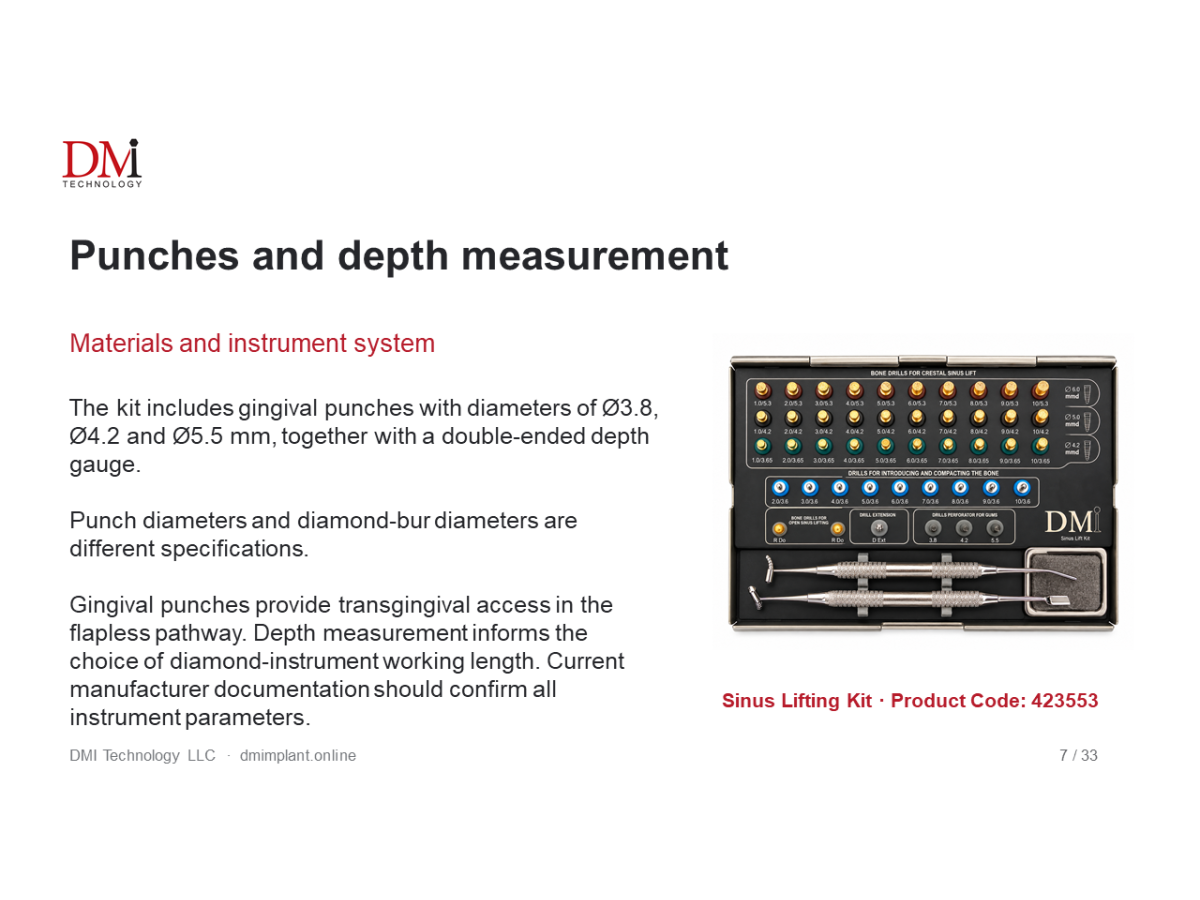
The DMI Sinus Lifting Kit — Product Code 423553 combines depth-limited diamond instruments, graft-delivery instruments, gingival punches, and measuring instruments.
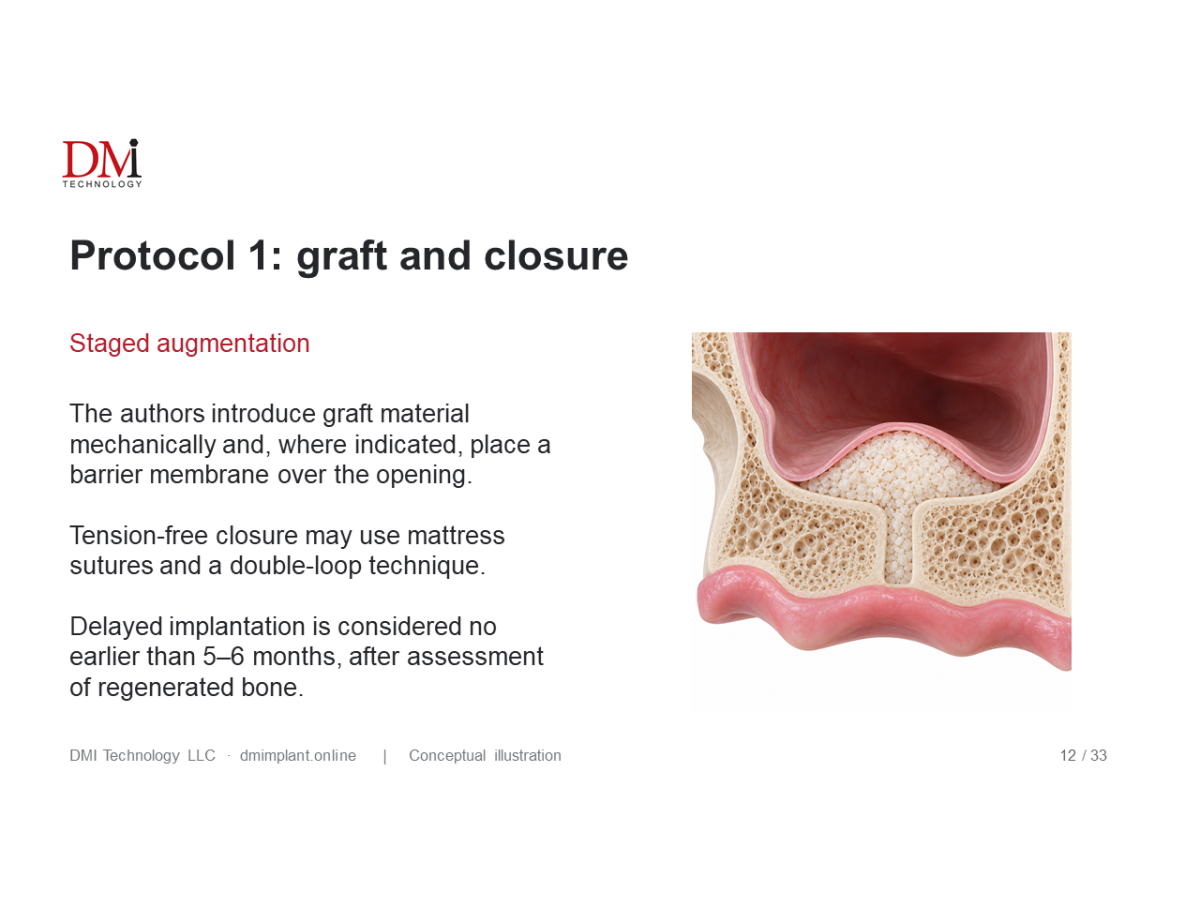
The presentation explains the role of these instruments within the authors’ technique, including crestal access preparation and progressive motor-driven graft delivery. Detailed illustrations help dental professionals follow the proposed sequence and understand how the instrument system relates to each stage.
Planning for Different Anatomical Conditions
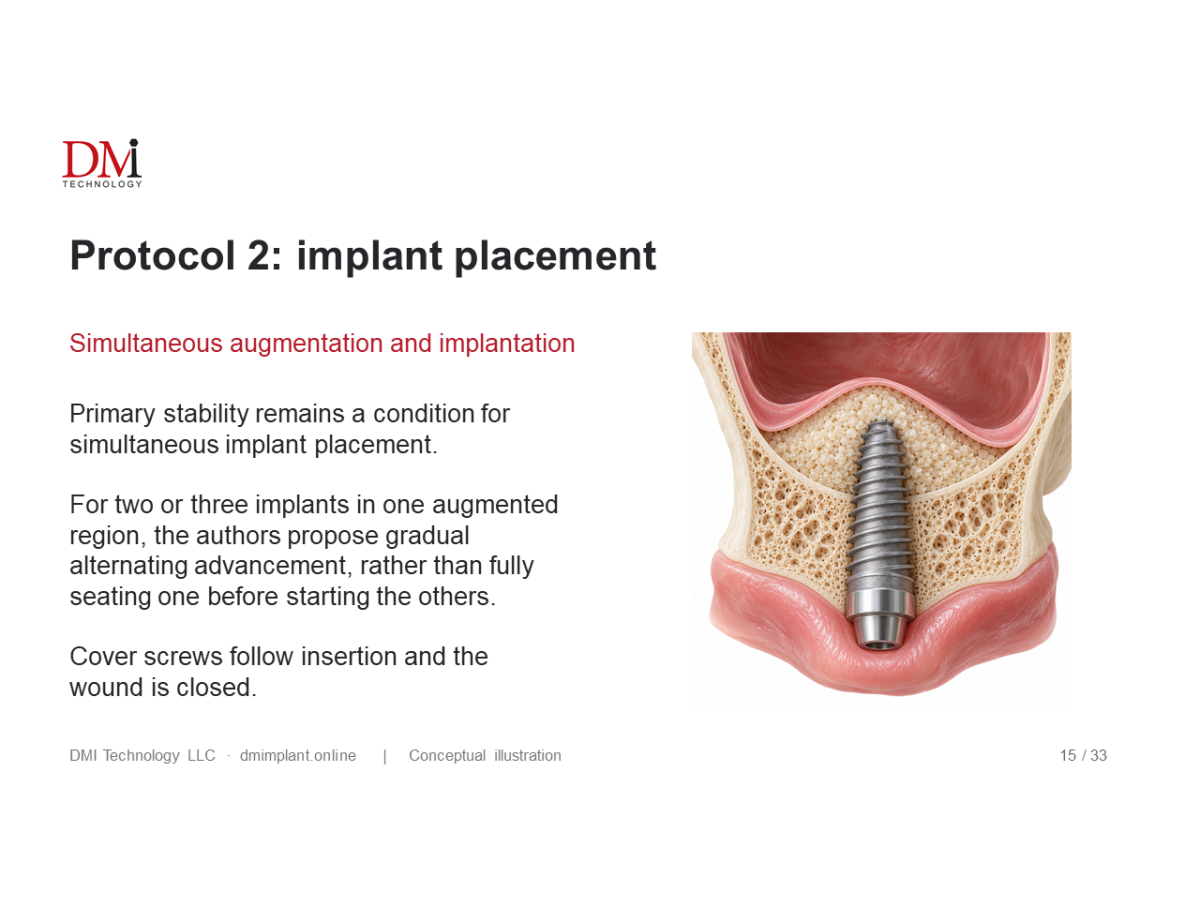
The authors describe three surgical pathways according to residual bone height and local anatomical conditions. These include staged augmentation with delayed implant placement, augmentation with simultaneous implantation when primary stability is achievable, and a transgingival approach in selected cases.
The presentation discusses how preoperative examination and CBCT assessment inform these decisions. Particular attention is given to ridge dimensions, sinus anatomy, the planned implant position, and the available native bone.
Clinical Case and CBCT Images
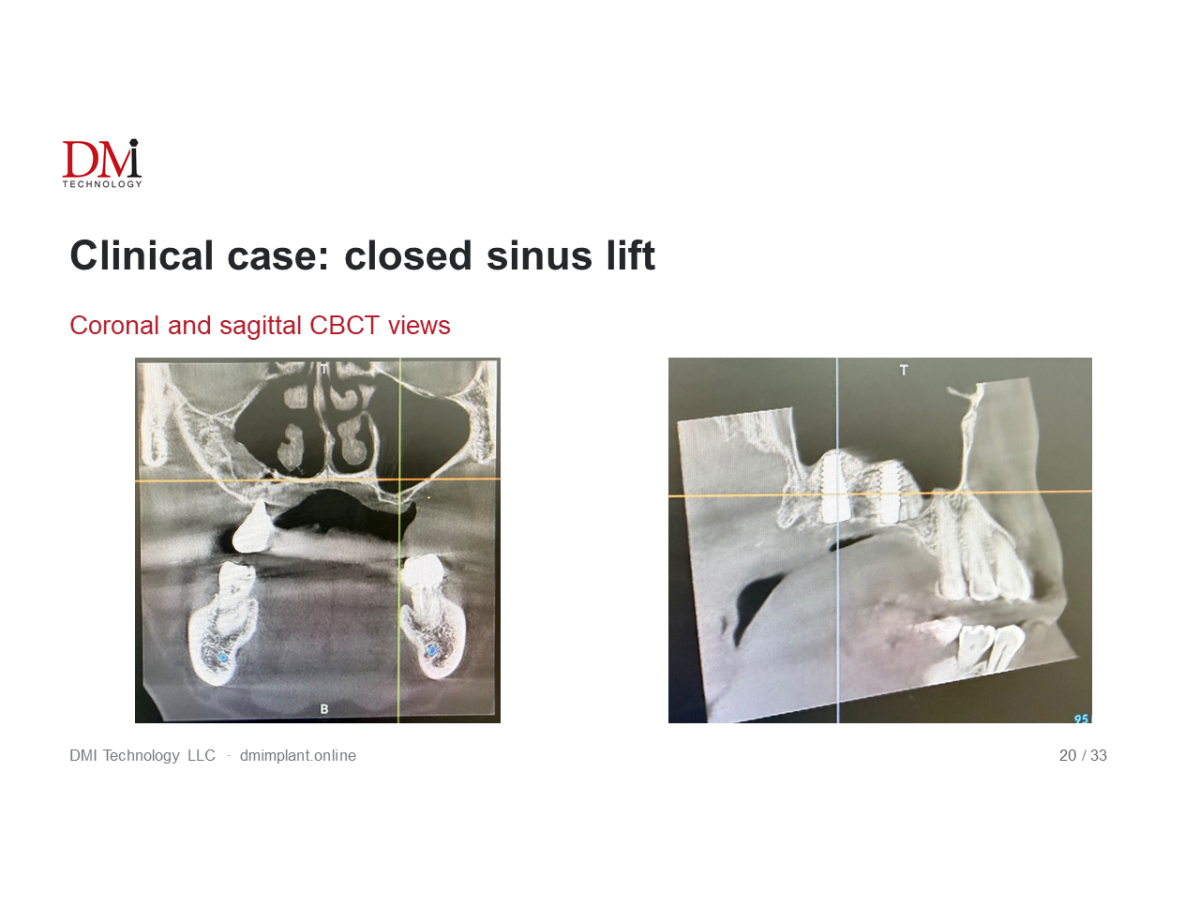
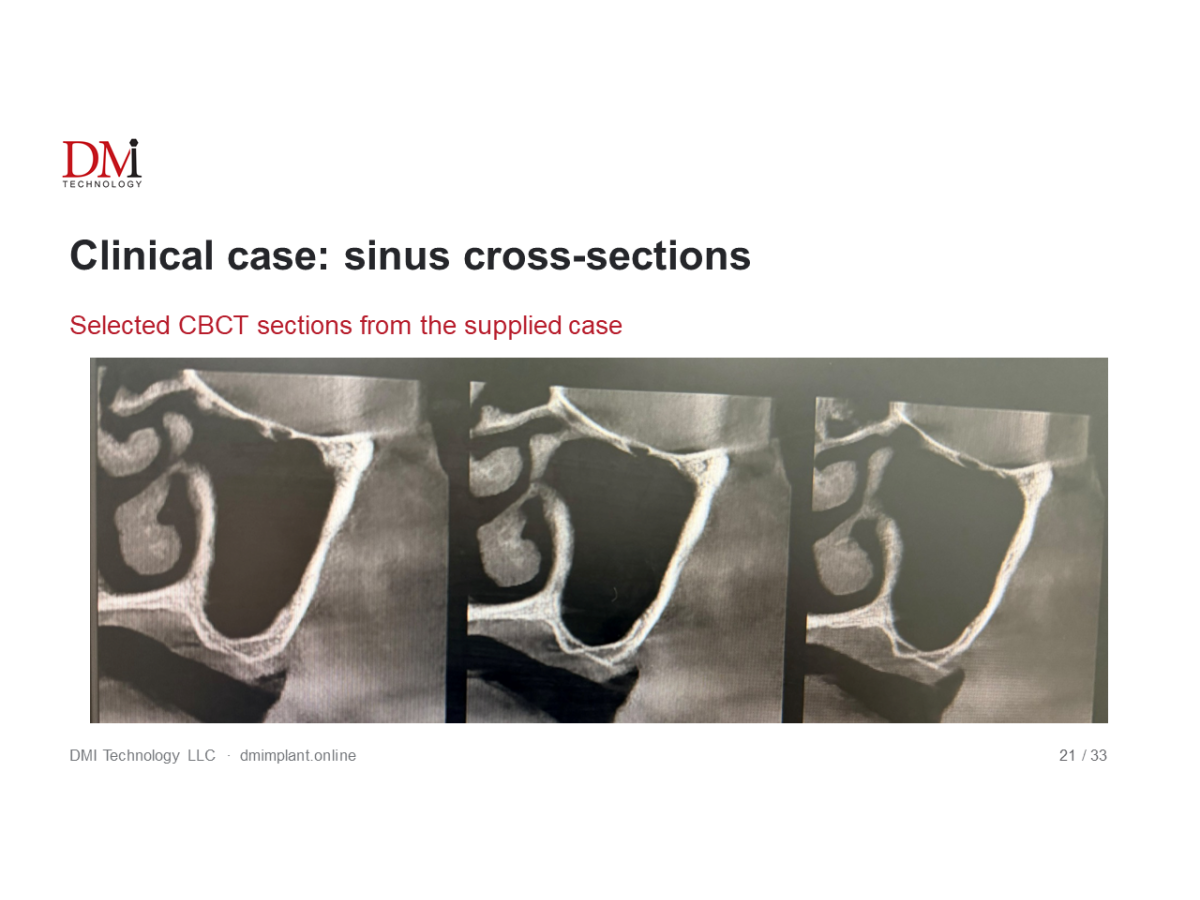
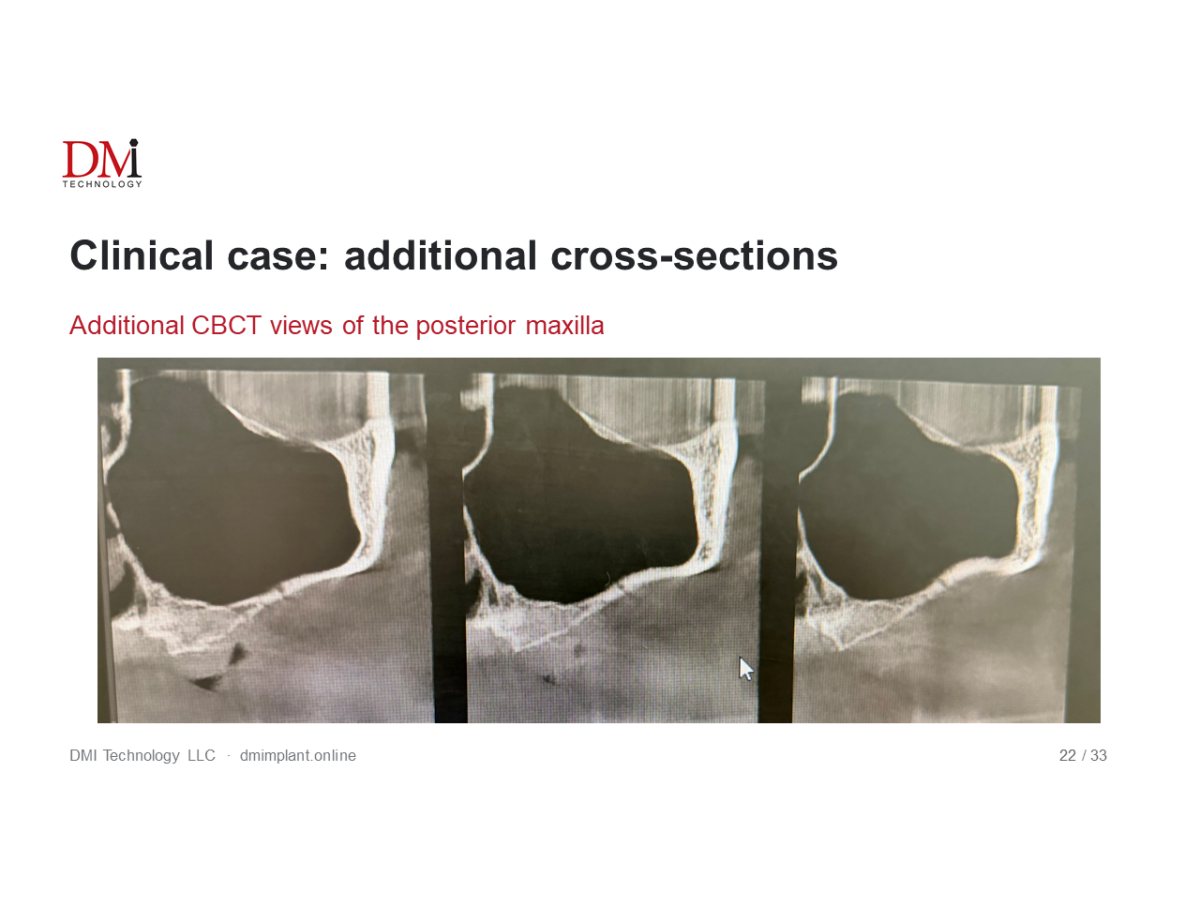
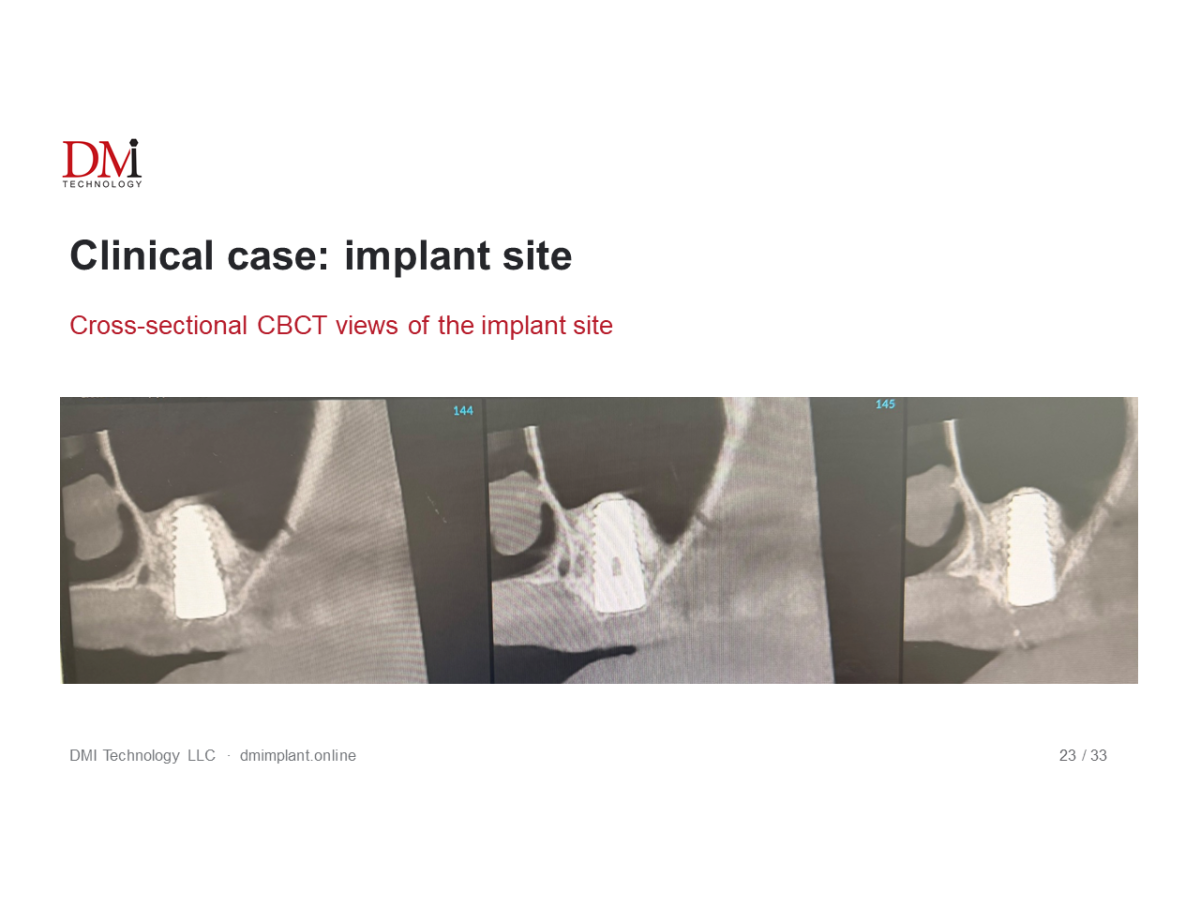
The clinical case section includes coronal, sagittal, and cross-sectional CBCT views of the posterior maxilla and implant site. These images complement the technique overview and provide a visual reference for the featured case.
The supplied images are presented without assigning an unverified treatment timeline or claiming measured bone gain or long-term implant outcomes.
What the Presentation Covers
- The design and purpose of the DMI sinus lifting instruments.
- Preoperative assessment and anatomical considerations.
- Surgical pathways for different residual bone heights.
- Crestal access, graft delivery, and implant placement considerations.
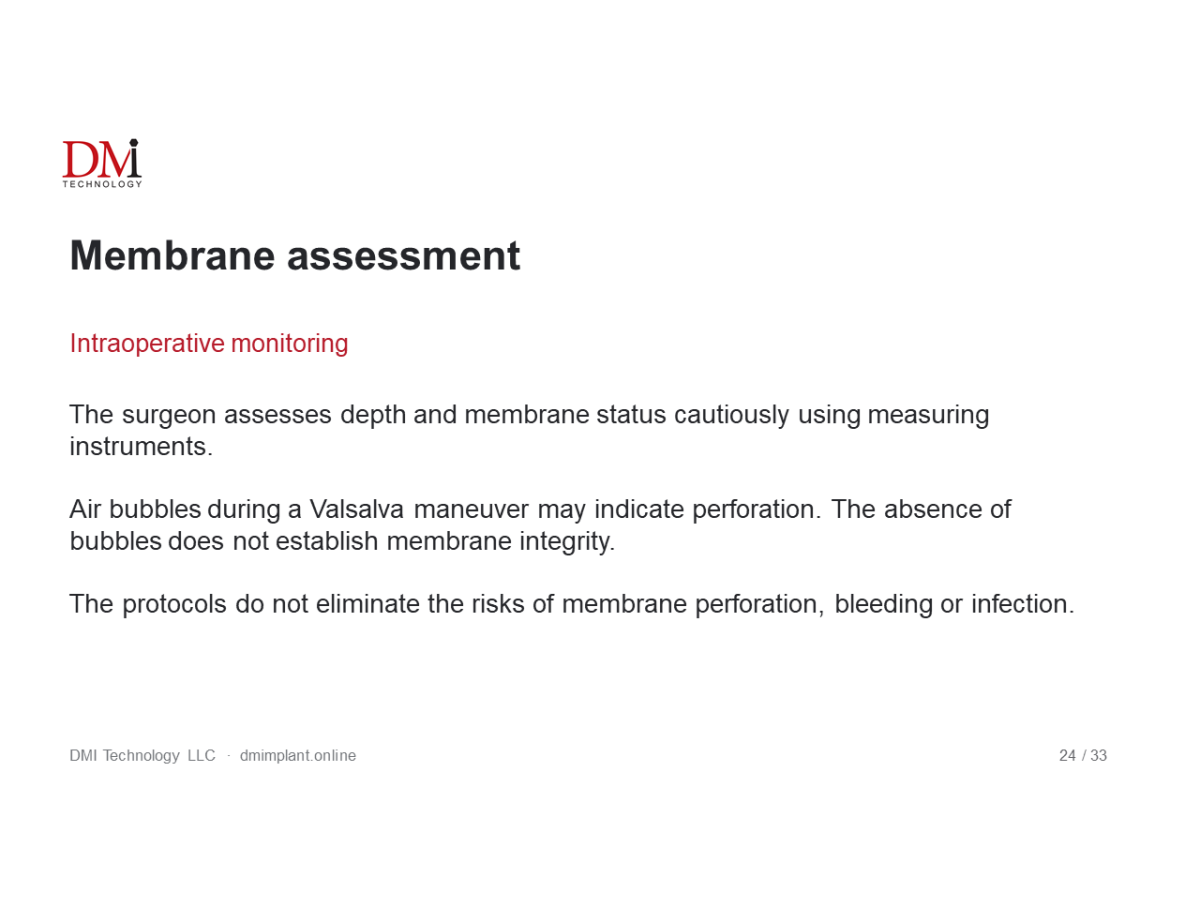
- Membrane assessment, postoperative care, and follow-up.
- Clinical CBCT views from the featured case.
Explore the complete presentation below for the instrument overview, illustrated technique, and clinical case images.
For information about the DMI Sinus Lifting Kit, contact DMI Technology LLC or visit the product section of our website.
Photos



Today (17:48)
Views: 11