All about product
 Reviews
 INSTRUCTION FOR USE
CAD/CAM Libraries
INSTRUCTION FOR USE
CAD/CAM Libraries

Product Description
Surgical Torque Ratchet Wrench
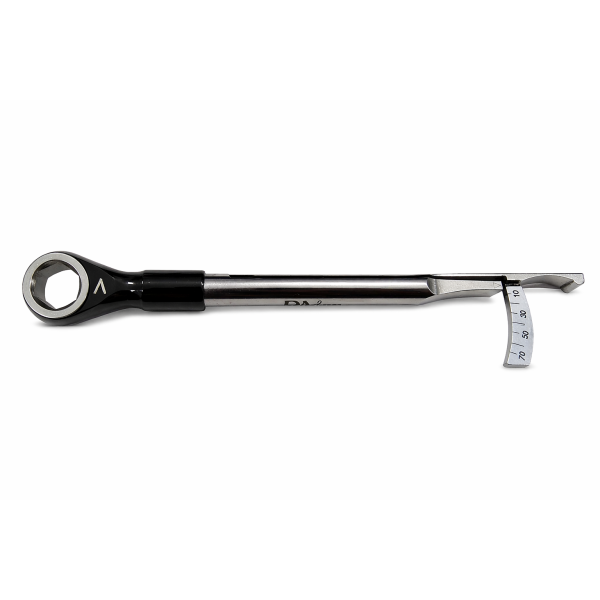
The Surgical Torque Ratchet Wrench is a precision surgical instrument designed for controlled torque application during dental implant surgery and prosthetic procedures. The instrument enables clinicians to perform accurate tightening and loosening of implant components while maintaining excellent tactile control and mechanical stability.
The ratchet wrench features a durable elongated ergonomic design that provides improved handling, enhanced leverage, and reliable torque transfer during implant placement and restorative procedures.
The working head incorporates a universal hexagonal connection compatible with a wide range of implant surgical drivers, prosthetic keys, and torque-control accessories used in modern implantology systems.
The instrument includes an integrated calibrated torque indication system designed to assist clinicians in monitoring applied force during surgical and prosthetic manipulation. The visible torque scale improves procedural control and contributes to predictable implant component fixation.
The slim elongated body design allows excellent intraoral accessibility and comfortable use in posterior and anatomically restricted clinical areas.
Manufactured from high-quality medical stainless steel, the Surgical Torque Ratchet Wrench provides excellent mechanical strength, corrosion resistance, dimensional precision, and long-term clinical durability.
The smooth polished surface improves handling characteristics and simplifies cleaning and sterilization procedures.
Suitable for:
- Implant placement procedures
- Implant removal procedures
- Prosthetic screw tightening
- Abutment fixation
- Surgical implant procedures
- Prosthetic implant procedures
- Torque-controlled implant procedures
- Oral implantology applications
Specifications
- Instrument type: Surgical torque ratchet wrench
- Design: Torque-controlled surgical ratchet
- Connection type: Universal hex connection
- Torque indication: Integrated calibrated torque scale
- Material: Medical stainless steel
- Surface finish: Smooth polished surface
- Sterilization: Fully autoclavable
Compatible Instruments
- Implant drivers
- Surgical keys
- Prosthetic drivers
- Torque-control accessories
- Universal implant driver systems
Indications for Use
Intended for controlled tightening and loosening of compatible implant components during:
- Implant surgery
- Implant placement procedures
- Prosthetic restoration procedures
- Abutment fixation
- Oral surgical implant procedures
Sterilization
The instrument must be sterilized before use in an autoclave at: 135°C (274°F)
Advantages
- Controlled torque application
- Integrated torque indication system
- Reliable torque transfer
- Excellent tactile feedback
- Ergonomic elongated design
- Enhanced surgical accessibility
- Universal implant driver compatibility
- High-strength medical stainless steel construction
- Excellent corrosion resistance
- Smooth polished surface for easier cleaning
Fully autoclavable
Designed for predictable implant surgical procedures

Reviews
There are no reviews for this product, be the first to leave your review.


Surgical Torque Ratchet Wrench
Intended Use
The Surgical Torque Ratchet Wrench is intended for controlled tightening and loosening of compatible dental implant components during surgical and prosthetic implant procedures. The instrument is designed for professional use by qualified dental clinicians and oral surgeons.
The wrench provides controlled torque application during:
- Implant placement
- Implant removal
- Abutment fixation
- Prosthetic screw tightening
- Implant restorative procedures
Compatibility
The instrument is compatible with:
- Implant drivers
- Surgical keys
- Prosthetic drivers
- Torque-control accessories
- Universal implant driver systems with compatible hex connections
Directions for Use
Before Use
- Inspect the instrument carefully before each procedure.
- Verify that the instrument is clean, undamaged, and fully sterilized.
- Ensure compatibility between the ratchet wrench and the implant driver system being used.
Instrument Connection
- Select the compatible implant driver or surgical key.
- Insert the driver securely into the ratchet head connection.
- Verify stable engagement before clinical use.
Torque Selection and Operation
1. Position the driver onto the implant component or prosthetic screw.
2. Apply controlled rotational force using the ratchet handle.
3. Use the integrated torque indication scale to monitor applied torque during tightening procedures.
4. Rotate clockwise for tightening and counterclockwise for loosening.
5. Apply torque according to the implant system manufacturer’s recommended values.
6. Do not exceed recommended torque values.
Clinical Use
The Surgical Torque Ratchet Wrench may be used during:
- Implant insertion procedures
- Implant removal procedures
- Abutment installation
- Prosthetic component fixation
- Surgical implant procedures
- Prosthetic restoration procedures
The elongated ergonomic design improves accessibility in posterior and anatomically restricted intraoral areas.
After Use
- Remove biological debris immediately after use.
- Clean and disinfect the instrument according to validated surgical instrument protocols.
- Inspect the ratchet mechanism and connection interfaces for wear or damage before reuse.
Cleaning and Sterilization
- Manual or ultrasonic cleaning is recommended.
- Use non-corrosive cleaning agents suitable for surgical instruments.
- Rinse thoroughly with distilled or deionized water.
- Dry completely before sterilization.
Sterilization
- Sterilize before each use in a steam autoclave: Temperature: 135°C (274°F)
- Follow standard validated autoclave sterilization procedures.
- Do not use damaged or corroded instruments.
Warnings and Precautions
- For professional dental use only.
- Use only with compatible implant systems and drivers.
- Do not apply excessive torque.
- Inspect the instrument before every procedure.
- Damaged or worn instruments must not be used.
- Repeated sterilization cycles may cause normal wear over time.
Storage
Store the instrument in a clean, dry, and protected environment after sterilization.
CadCam